





Respirable crystalline silica RCS

Respirable Crystalline Silica (RCS) is a fine dust form of silica, also known as silica dust, made up of silicon dioxide (SiO2). Silicon (chemical symbol Si) is a naturally occurring, non-metallic element and, after oxygen, is the second most abundant element in the earth’s crust, found mainly as silica in sand. Silicates are the chief constituents of many rocks, clays and soils and make up more than 90% of the Earth’s crust. RCS or silica dust can be produced when manufacturing or working with natural and artificial stones, such as work tops, bricks, blocks, tiles and other construction materials, as well as in foundaries.
Under the Control of Substances Hazardous to Health Regulations 2002 (COSHH) Employers have a legal duty to create suitable arrangements to manage health and safety and ensure they comply with the reguulations. In September 2020, The British Occupational Hygiene Society (BOHS) wrote to MPs urging them to take action to prevent these avoidable deaths and illness. Kelvin Williams, President of the Society said: “The society is concerned that Covid-19 is accelerating the rate of death for those exposed to harmful substances, like silica, in the workplace. It is reasonable to believe that the higher Covid-19 mortality rates in older males has an association with inhaling dust in the workplace. However, without the changes recommended in the report, we will not be able to make that connection.”

RCS inhalation over long periods of time can lead to a scarring of the lungs known as silicosis, there are similarities with asbestosis and pneumoconiosis. The former being chronic fibrotic lung disease resulting from long-term inhalation of asbestos fibres and the latter being a respiratory disease caused by the inhalation of coal mine dust, also called CWP, black lung and indeed one of the longest words in the english language; pneumonoultramicroscopicsilicovolcanoconiosis.
There is currently no effective treatment for silicosis resulting from RCS, with the highest risk workers being miners, construction workers, stonecutters, and manufacturers. In 2020 the All Party Parliamentary Group for Respiratory Health published Silica – the next asbestos, which stated: “Construction workers are still 100 times more likely to die from a preventable occupational disease than from an accident. We also know that approximately 12,000 deaths in the industry each year are linked to exposure to dust and chemicals” and revealed: “… the UK lags other developed nations in terms of exposure limits to respirable crystalline silica, that the scale of silicosis in the construction industry remains unknown and that awareness of the risks is low amongst both workers and employers" It goes on to state: ‘RCS is created when it is fractured through processes such as stonecutting and drilling and is the most toxic form of the substance. It increases the risks of tuberculosis, kidney disease, arthritis, Chronic Obstructive Pulmonary Disease, lung cancer and chronic bronchitis.”

For further information visit our pages; silicosis, deleterious materials in construction, asbestosis or pneumoconiosis and silica.
[edit] Related articles on Designing Buildings
- Achieve safety in demolition.
- Asbestos in construction.
- Building with structural stone.
- Cement dust.
- Ceiling tiles.
- Choosing stone.
- Construction dust.
- Control of Asbestos Regulations 2012 CAR12.
- Deleterious materials.
- Dust control systems for construction sites.
- Failure to mention asbestos.
- Five signs you are at risk of asbestos poisoning at work.
- Health risks of dust.
- Licensable work with asbestos.
- Masonry.
- Modern Stonemasonry.
- Silica
- TSI Environmental dust monitoring system.
- Types of dust..
- Types of stone.
- The risk of asbestos on brownfield sites.
Featured articles
Check out some of the best features and news from Designing Buildings as well as key stories from around the web.
Grenfell investigation files passed to CPS

Angela Rayner apologises on behalf of the British state.

Electrical contractors need to understand the practical implications.

The real barrier to getting more value from digital technology.

Your guide to The Construction Reset at UKCW Birmingham.

Accommodating the Victorian and Edwardian working woman. Book review.
Rethinking passive fire protection in design

PFP demands the same level of design rigour as structure or services.

38% of Gen Zs feel safe when a fire door is wedged open.
Stunning images from around the world
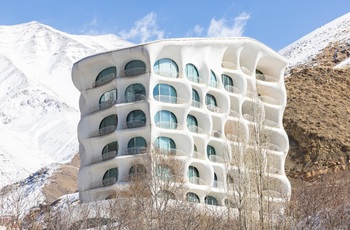
Shortlist for CIOB’s Art of Building photography competition.

Guidance for conversion of traditional pre-1919 stone buildings.
Industrial heritage in the Ruhr

A marked difference to the fate of industrial landscapes in the UK.

Communities will be able to build their own clean energy.
Why diversity and inclusion matters for SMEs

CIOB’s D&I Charter shows how practical changes can support long-term growth.
Comments
[edit] To make a comment about this article, click 'Add a comment' above. Separate your comments from any existing comments by inserting a horizontal line.